Alien
- sinecdochego
- Nov 22, 2024
- 2 min read
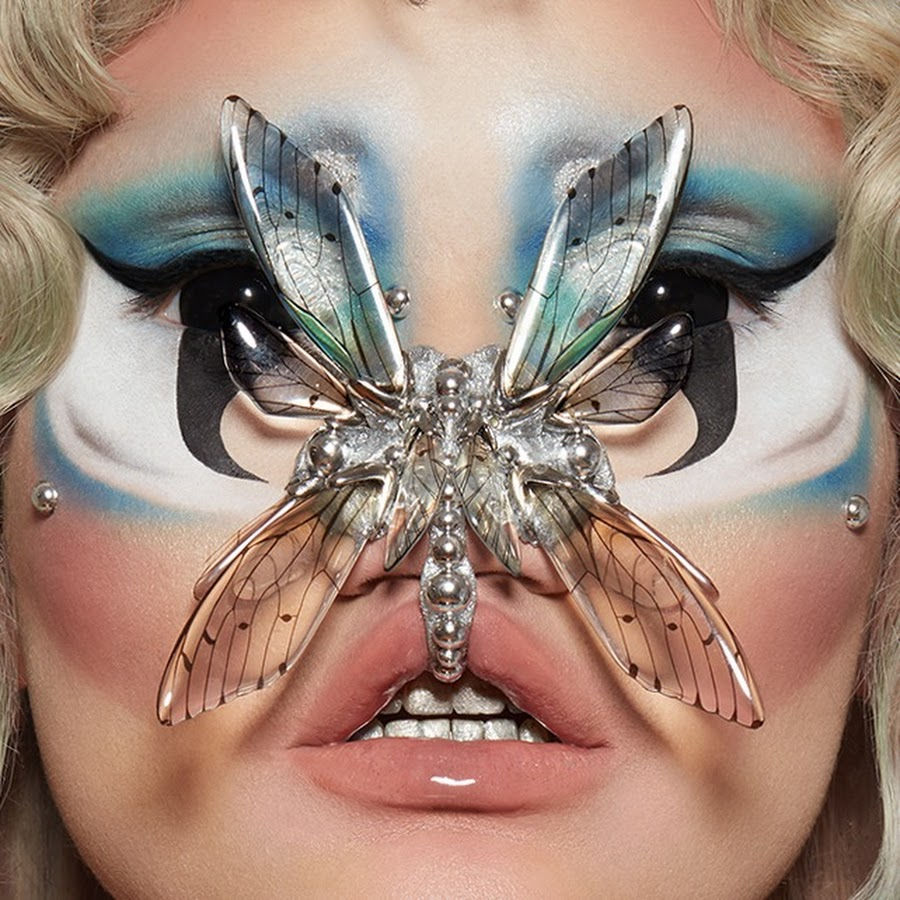
Make-up magician isshehungry
A new trend is emerging in contemporary aesthetics that embraces the “ugly” or “alien” as a deliberate and desirable quality. Rather than striving for conventional beauty or perfection, designers and artists are increasingly drawn to the unconventional, the awkward, and the bizarre. This aesthetic movement celebrates raw, unpolished forms, asymmetrical shapes, and jarring color combinations that might once have been considered unattractive or unsettling. In fashion, this is seen in garments with exaggerated proportions, clashing patterns, and intentionally distressed fabrics. In interior design, furniture and décor feature unconventional shapes and materials that defy traditional notions of harmony and balance. This trend is a reaction against the polished, mass-produced aesthetics of the digital age, favoring authenticity, individuality, and the allure of the strange and imperfect. For many young people, this fascination with the alien and unconventional also serves as a form of sci-fi escapism, allowing them to explore imagined futures and otherworldly environments through a lens of aesthetic rebellion.
The emerging trend of “alien” aesthetics among the younger generation rejects a form of sc-fi escapism and a new kind of tribalism, where individuals bond over their shared fascination with otherworldly visuals and futuristic, unconventional designs that challenge societal norms.
This contemporary appreciation of the “ugly” shares a philosophical kinship with the Japanese concept of wabi-sabi, which finds beauty in imperfection, impermanence, and the natural cycle of growth and decay. Both aesthetics reject the ideal of flawless perfection and instead celebrate the uniqueness and character that comes from flaws, irregularities, and wear. Just as wabi-sabi honors the beauty of a cracked bowl or a weathered piece of wood, the modern embrace of the “ugly” values the authenticity and emotional resonance of unconventional and imperfect forms. Among young people, this aesthetic resonates particularly strongly as it aligns with broader cultural shifts towards authenticity, self-expression, and rejection of the homogenized standards often perpetuated by social media. By finding beauty in what might traditionally be considered unattractive, this trend challenges established norms and encourages a more inclusive and expansive view of what can be considered beautiful.
Young people are engaging in elaborate, alien-like makeup focus on self-expression through experimental, unconventional, and often otherworldly makeup, using their looks to challenge beauty standards or explore futuristic, alien, or grotesque aesthetics. This group is composed of young people who express themselves through bold, experimental makeup and fashion that defies traditional beauty norms.
Their makeup can be grotesque, alien-inspired, or intentionally “ugly,” often incorporating elements of sci-fi, horror, or fantasy. They often bond over shared aesthetics, either through online communities or at live events, and engage in collaborative projects like photoshoots or video creation.
Core Values: Radical self-expression, creativity, breaking beauty norms, and exploring new identities through art. This chosen family embraces makeup as an art form and a form of rebellion, using their appearance to tell stories or push boundaries around what is considered “beautiful” or acceptable. They often share tutorials, collaborate on designs, and participate in themed events or online challenges.


Comments